
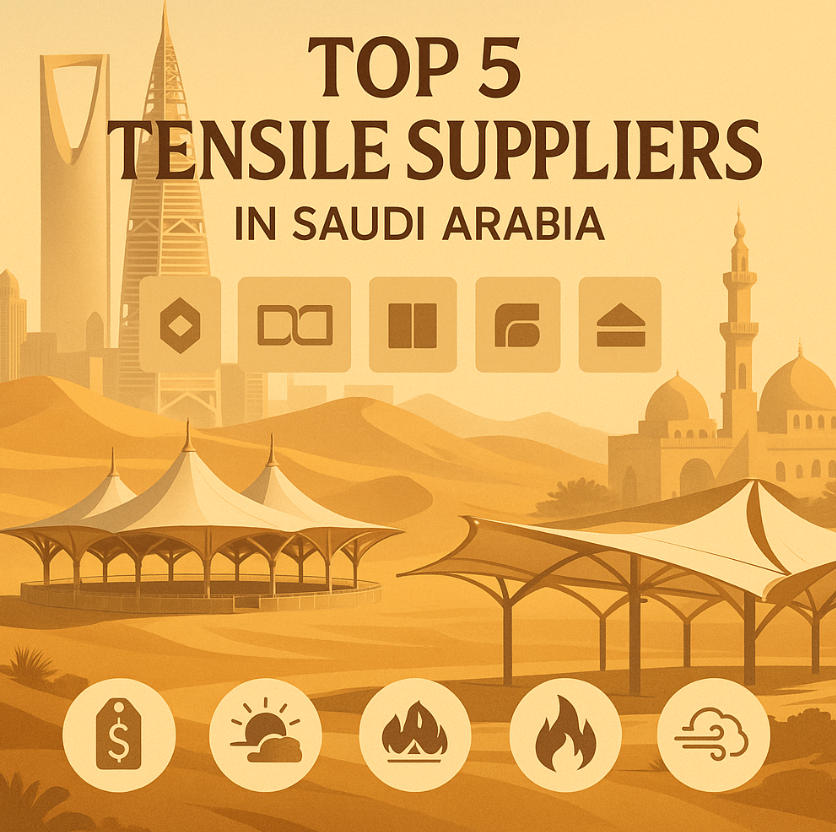
Saudi Arabia is a wealthy nation fueled by oil, investment, and ambition. Having visited multiple times, I can say firsthand—it’s incredibly hot, with vast stretches of desert and year-round sun. That’s exactly why tensile fabric canopies are more than just architectural choices—they’re essential. Especially now, as the KSA government aggressively promotes EV adoption, the demand for car shelters made from durable tensile structures is skyrocketing. But here’s the big question: how do you find a trustworthy tensile structure supplier in Saudi Arabia? In this article, I’ll guide you through the top 5 vendors based on features, pricing, and reputation. Ready to explore your best options? Let’s dive in.
Tensile Structure Market In Saudi Arabic – Overview
Saudi Arabia, known for its hot and arid desert climate, faces extreme temperatures throughout the year, often reaching 45–50°C in summer. With intense sunlight and minimal shade, protection from heat and UV rays is a fundamental need in architectural design. This makes tensile structures highly suitable, offering excellent sun protection, ventilation, and aesthetic appeal.
The government’s “Vision 2030” strategy is accelerating infrastructure modernization, with clear incentives for sustainable construction. Authorities encourage the use of energy-efficient, recyclable materials—making tensile fabric a preferred choice. Additionally, as part of the national push for electric vehicles, Saudi Arabia is rapidly expanding EV charging and parking facilities, where tensile car shelters are becoming essential.
During one of my business trips to Saudi Arabia, a local project partner in Riyadh shared that the municipal government plans to invest several hundred million USD annually in tensile structure projects by 2030. These investments target public spaces, transport hubs, and open-air facilities.
In practice, tensile structures are already widely used across Saudi Arabia—for mosque courtyards (such as Mecca’s prayer zones), large-scale parking lots, pedestrian pathways, public transit stations, and airport waiting areas. These structures combine modern design with functionality, offering heat resistance, UV protection, and structural durability. With urban development accelerating and a growing focus on sustainability, the tensile structure market in Saudi Arabia is poised for long-term growth.
Outstanding Tensile Structure Companies In Saudi Arabic
Here is a curated list of top tensile structure companies in Saudi Arabia, based on online research and real client feedback. These suppliers are known for their technical expertise and extensive project experience. The list is not ranked in any particular order. If you have suggestions or feedback, feel free to contact us anytime.
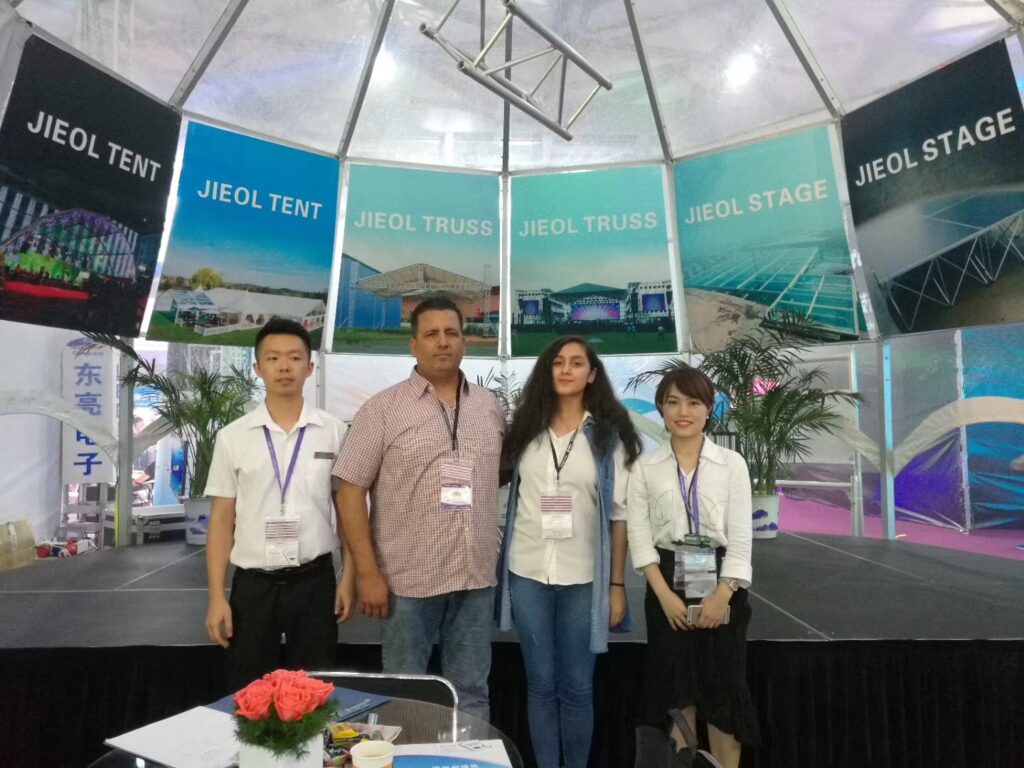
Jieol Tensile Structure Company
| Field | Details |
|---|---|
| Company Name | Jieol Tensile Structure Company |
| History | A professional provider of customized tensile structure solutions with experience in large-scale commercial and public projects. |
| Solution | Design, fabrication, and installation of tensile membrane structures for canopies, parking shades, walkways, stadiums, and more. |
| Locations | Headquarters in Guangzhou, China, with a branch office in Riyadh, Saudi Arabia. |
| Website | https://www.jieoltent.com |
| Contact | WhatsApp: +8615013125806 |
Tensile Membrane Structure Industries (TMSI)
| Field | Details |
|---|---|
| Company Name | Tensile Membrane Structure Industries (TMSI) |
| History | One of the fastest-growing companies in Saudi Arabia specializing in metal and tensile structures. |
| Solution | Metal and fabric tensile structure solutions. |
| Location | Saudi Arabia |
| Website | https://tmsi.co |
| Contact |  |
Flezco
| Field | Details |
|---|---|
| Company Name | Flezco |
| History | Specializes in sun protection and thermal comfort structures for the Saudi climate. |
| Solution | Tensile membrane structures for shading and heat reduction. |
| Location | Saudi Arabia |
| Website | https://www.flezco.com/products/tensile-structure |
| Contact | |
Al-Mirkaz
| Field | Details |
|---|---|
| Company Name | Al-Mirkaz |
| History | 10+ years of experience with large-scale tensile structure projects. |
| Solution | Comprehensive tensile structure design and supply. |
| Location | Riyadh, Saudi Arabia |
| Website | https://al-mirkaz.com/tensile-structures-supplier |
| Contact | |
Obeikan Tensile Structures
| Field | Details |
|---|---|
| Company Name | Obeikan Tensile Structures |
| History | Established in 1998, part of Obeikan Investment Group. |
| Solution | Manufacturing all types of tensile fabric structures: tents, sails, shades. |
| Location | Saudi Arabia |
| Website | https://www.obeikan.com.sa/obeikan-tensile-structures |
| Contact | |
Al Mualem Est.
| Field | Details |
|---|---|
| Company Name | Al Mualem Est. |
| History | Provides a wide range of tensile shading systems, including TENSA. |
| Solution | High-quality shading and tensile products for the Saudi market. |
| Location | Saudi Arabia |
| Website | https://almualemest.com/products/tensile-structure |
| Contact | |
Future Crescent
| Field | Details |
|---|---|
| Company Name | Future Crescent |
| History | Leading provider specializing in PTFE, PVDF, and PVC fabric shades. |
| Solution | Complete tensile fabric structure projects and installation. |
| Location | Saudi Arabia |
| Website | https://futurecrescent.com/products |
| Contact | |
Key Considerations for Building Tensile Structures in Saudi Arabia
When constructing a tensile structure in Saudi Arabia, it’s essential to account for regulatory compliance, extreme environmental conditions, and local cultural sensitivities. These factors are crucial to ensuring both the smooth execution and long-term durability of the project.
1. Land Permits and Government Approvals
Land use approval is the foundation of any construction project in Saudi Arabia. Municipal permits are strictly required, especially in major cities like Riyadh and Jeddah. One of my clients once shared a case in Dammam, where a commercial canopy project was halted mid-process because the team had failed to obtain proper land permits in advance. The delay stretched to nearly two months and resulted in substantial financial losses. To avoid such setbacks, it’s highly recommended to work with licensed local consultants or contractors who understand the approval process inside and out.
2. Harsh Climate Demands on Materials and Design
Saudi Arabia’s extreme desert climate presents significant design challenges. Summer temperatures can exceed 50°C, with intense UV radiation, high winds, and frequent dust storms. These conditions demand high-performance materials—typically PTFE or PVC membranes with UV resistance, heat tolerance, and strong wind-load capacity. For example, a client in Riyadh initially chose low-spec fabric for a car park shade. Unfortunately, it tore during the first major sandstorm and had to be replaced with heavy-duty PVC, incurring extra costs. Proper material selection and engineering are absolutely critical.
3. Religious and Cultural Sensitivities
Respecting local religious and cultural norms is vital. In projects near mosques, schools, or public plazas, the design should harmonize with Islamic architectural aesthetics. Construction activities must avoid prayer times and public holidays like Ramadan and Eid al-Adha. It’s also important to ensure that onsite workers follow local customs, including appropriate dress codes and respectful behavior.
How to Negotiate with Tensile Structure Companies in Saudi Arabia
When working with local tensile structure suppliers in Saudi Arabia, effective negotiation starts with clarity and mutual value creation. As a buyer, your goal should be to balance cost, quality, and long-term support.
1. Flexible Payment Terms:
Request payment terms that reduce your upfront financial pressure. A common approach is a 30%–50% down payment, with the remaining balance due either before delivery or within 30–60 days post-installation. Local suppliers may be open to phased payments if the project involves multiple stages or government contracts.
2. Emphasize Site Conditions:
Saudi Arabia’s climate—marked by extreme heat, strong winds, and frequent sandstorms—requires specialized design. Make sure your supplier is aware of the environmental demands and ask them to propose materials and structural solutions proven in local or GCC-region projects.
3. Ask for Technical Drawings and Layouts Early:
To avoid costly redesigns, request detailed structural drawings and installation layouts during the negotiation stage. This allows you to evaluate feasibility and ensure compliance with local regulations.
4. Prioritize Service Over Discounts:
Instead of pushing solely for price cuts, negotiate for added value: longer warranties, faster response times, and ongoing maintenance support. Emphasize that you’re seeking a reliable, long-term partner—not just a one-time vendor.
This approach positions you as a serious, informed buyer—and encourages the supplier to match that professionalism with better service and flexibility.
Real Case Study Of Tensile Structure In Saudi Arabic
To help you better understand how tensile structures are applied in the Saudi market, we’d like to share real project examples from Jieol’s experience. Over the past few years, Jieol has successfully delivered a variety of tensile membrane structures across the Kingdom, particularly in high-demand urban and municipal sectors.
One of the most common applications is car parking shelters. These are often installed in shopping malls, office complexes, and government facilities where protection from intense sunlight and high temperatures is essential. Our PTFE and PVC membrane materials have proven effective in maintaining durability and aesthetics despite the harsh desert climate.
In addition, Jieol has delivered landscape shade structures and public rest area canopies for parks and recreational zones. These structures not only offer functional shading but also enhance the visual identity of public spaces, aligning with Saudi Arabia’s urban beautification goals under Vision 2030.
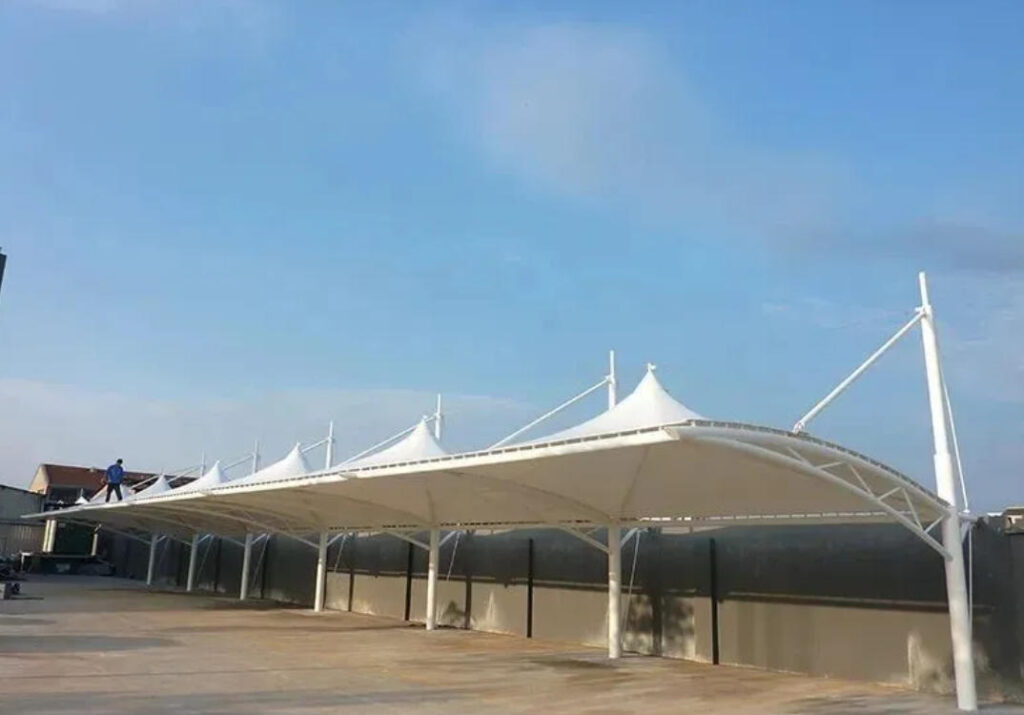
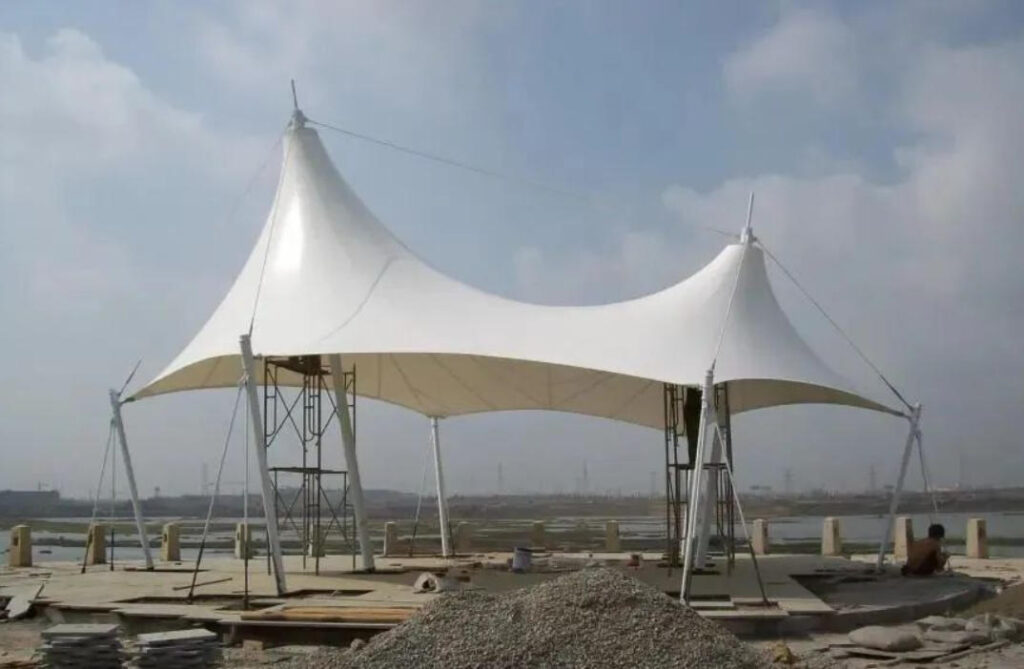
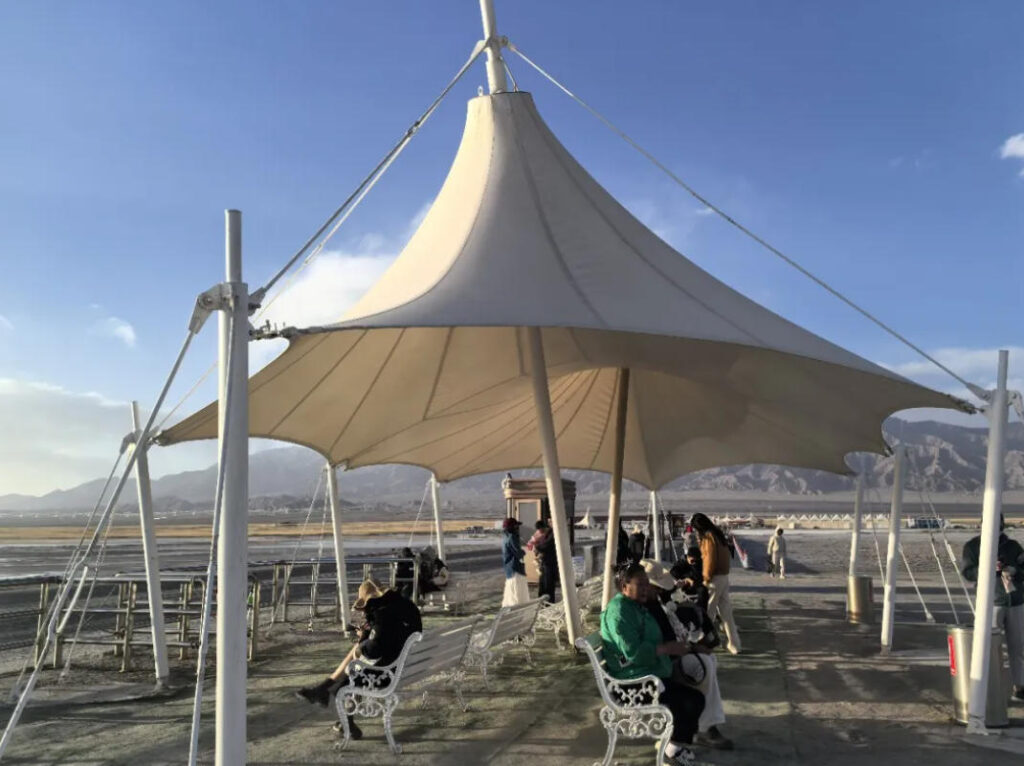
All projects were completed with locally compliant designs, on-site installation guidance, and strong after-sales support—ensuring long-term customer satisfaction.


 English
  Spanish
  French
  Russian
  Indonesian
  Thai
Thai  Arabic
  German