
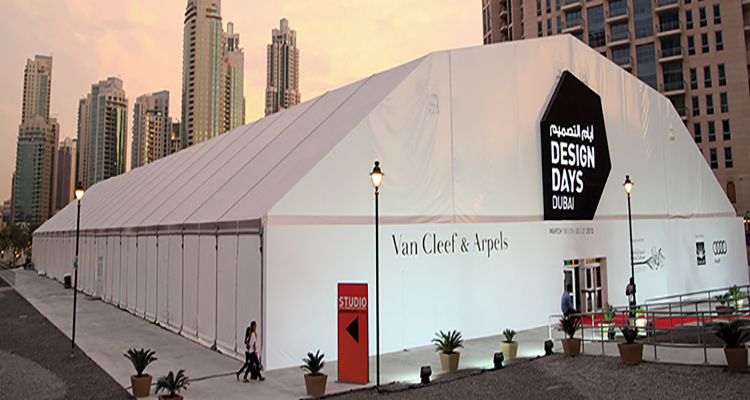
Food storage is a critical issue in regions like Alaska or remote areas with limited access to external supply chains. Finding a suitable storage solution becomes a challenge, as building a concrete facility can be expensive and unrealistic in these areas. In response, many are turning to heavy-duty event tents as an alternative solution for food storage. These tents offer a cost-effective, versatile, and temporary option for preserving food in harsh conditions. However, for many, using event tents for food storage is unfamiliar territory. In this article, we will explore the features, benefits, and key considerations when choosing an event tent for food storage needs.
Key Features of Food Storage Warehouse Tents
Key features of food storage warehouse tents include durability, weather resistance, insulation, ventilation, and fire retardant properties. The tent fabric needs to be tough enough to protect the stored food from harsh weather conditions, such as sun, rain, and strong winds. Materials like PVC-coated polyester or heavy-duty canvas are ideal for providing long-term durability and resistance to UV rays and moisture. This ensures the food inside remains safe from environmental damage.
Another critical feature is ventilation, which helps regulate temperature and humidity levels. Proper airflow reduces the risk of mold or bacterial growth, which can compromise food quality. Many storage tents come with built-in ventilation systems, like mesh windows or air vents, to allow for adequate airflow while still protecting against pests. Insulation is also essential in colder climates to maintain a stable internal temperature and prevent freezing or spoilage of the stored food.
Additionally, food storage tents need to be resistant to pests such as rodents. The fabric should be strong enough to prevent animals from chewing through it, ensuring the safety of the stored goods. Fire retardant properties are equally important to reduce the risk of fire hazards, especially when storing materials that may be flammable.
Cost Breakdown: What Affects the Price of a Food Storage Tent?
The price of a food storage tent is influenced by several factors, including the size, material, customization options, and additional features. Larger tents generally cost more due to the increased amount of fabric, framing, and labor required for installation. Additionally, the choice of material plays a significant role in the overall price. Heavy-duty fabrics like PVC-coated polyester or high-quality canvas, which offer enhanced durability and weather resistance, tend to be more expensive than lighter options.
Customization is another factor that can increase the price. For example, some food storage tents are designed for extreme cold conditions, requiring specialized insulation and thermal lining to maintain stable internal temperatures. This added complexity can raise the overall cost. Furthermore, custom features like reinforced doors, additional ventilation systems, or advanced pest protection can contribute to a higher price point.
Additional features such as fire retardant coatings or built-in ventilation systems are also cost drivers. While these features enhance the functionality and safety of the tent, they require more advanced materials and manufacturing processes, thus affecting the overall cost. Therefore, when choosing a food storage tent, it’s essential to balance your needs with your budget, considering the factors that will provide the most value for your specific situation.
Choosing the Right Size and Dimensions for Your Warehouse Tent
When selecting the right size for a food storage warehouse tent, it’s important to assess your storage needs and available space. For example, if you’re storing enough food for one person for 30 days, you’ll need to calculate the volume of food required and how much space it occupies. Typically, for long-term storage, a 10×20 meter tent can accommodate the food and supplies for a small group, while larger operations may require bigger tents.
Additionally, consider the available land or space where the tent will be installed. Ensure there’s enough room for both the tent and proper access points for inventory management. It’s also important to factor in space for ventilation and proper circulation, which will help maintain the quality of stored goods. Balancing your storage requirements with available space will guide you in selecting the appropriate size for your warehouse tent.
Material Options for Food Storage Tents
When it comes to selecting the right material for food storage tents, PVC-coated polyester is one of the most popular choices. This material offers excellent durability and weather resistance, making it suitable for outdoor storage. PVC-coated polyester is highly resistant to rain, UV rays, and extreme temperatures, which helps maintain the ideal storage conditions for food. The waterproof and fire-retardant properties of this fabric ensure that the food remains protected from the elements, reducing the risk of spoilage or contamination.
Another key benefit of PVC-coated polyester is its ability to insulate the stored items, which is crucial for temperature-sensitive goods. It helps to regulate the internal temperature of the tent, preventing excessive heat or cold from affecting the food. This material can be further enhanced with thermal insulation layers to improve energy efficiency in extreme cold or hot climates, ensuring optimal storage conditions throughout the year.
For warehouses located in colder climates, additional insulation materials can be used in combination with PVC-coated polyester to maintain the temperature inside the tent. This combination provides the perfect balance of durability, insulation, and weather resistance, making it an ideal choice for food storage tents in various environments.
Maintenance and Longevity: Maximizing the Lifespan of Your Warehouse Tent
To ensure the longevity of your food storage warehouse tent, regular maintenance is essential. One effective practice is to treat the fabric with protective coatings, such as pine oil which helps preserve the material’s integrity. This treatment protects the tent from UV damage, mold, and mildew, extending its lifespan and maintaining its durability.
Additionally, it’s important to keep the tent clean and free from debris. Regularly inspect the structure for signs of wear, such as tears or loose fittings, and address any issues immediately to prevent further damage. Proper storage and handling during the off-season also contribute to the tent’s longevity, ensuring it remains in top condition for years of reliable service.
Selecting a Reliable Tent Supplier
When choosing a reliable tent supplier, it’s crucial to look for a manufacturer that offers high-quality materials and durable construction. Check if the supplier uses premium fabrics such as PVC-coated polyester and provides customization options to meet your specific needs. A reputable supplier should also offer transparent product details and certifications, ensuring that the tent complies with safety and durability standards.
Additionally, after-sales support is essential for maintaining the tent’s performance over time. Look for a supplier that provides comprehensive warranty coverage, easy access to spare parts, and responsive customer service. Jieol is a trusted event tent manufacturer known for offering custom solutions tailored to various needs, with excellent product quality and reliable after-sales support, making them an ideal choice for your tent requirements.
FAQs
Yes, food storage tents can be equipped with temperature control systems to ensure perishable items remain safe. Insulation and proper ventilation are crucial for maintaining the right conditions for food storage.
The size of the tent depends on the amount of food you plan to store. It’s essential to calculate your storage needs (e.g., 30 days’ worth of food for a certain number of people) and choose a tent that offers adequate space with room for airflow and organization.
The storage duration depends on the food type and the tent’s insulation quality. With proper ventilation and temperature control, food can be stored for weeks or months in these tents, especially in cold environments.
Food storage tents are usually made of weather-resistant materials such as PVC-coated polyester, which provides insulation, UV protection, and resistance to water and extreme temperatures. Some tents also feature rodent-proof properties to prevent damage.




 German
  English
  Spanish
  French
  Russian
  Indonesian
  Thai
Thai  Arabic