
Many people believe that once a building is constructed, it can last for decades without maintenance, but that’s not true. For example, even a house requires occasional repairs, like fixing the roof over time. The same applies to Zugmembrankonstruktionen. These structures, while durable, need regular care to maintain their performance and safety. Just like a house, without proper maintenance, issues such as wear and tear, material degradation, or system failures can occur. Today, I want to share a Ausführliche Wartungsanleitung für Zugmembrankonstruktionen to ensure their longevity and optimal functionality.
Understanding the Structure: Tensile Membrane Profile Analysis
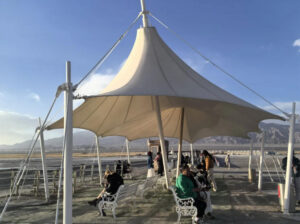
To begin, let’s review some basic knowledge about Zugmembrankonstruktionen. These structures are designed to utilize the tensile properties of materials to create large, open spaces without the need for heavy, rigid frameworks. The membrane, often made of materials like PVC-coated polyester or PTFE, is stretched over a frame to create an efficient and aesthetically pleasing cover.
Breakdown of Materials and Components
The primary material used in tensile membrane structures is the membrane itself. This is usually a fabric material, reinforced with polyester or fiberglass, and coated with a durable layer to make it waterproof, UV-resistant, and fire-retardant. The frame, often made of aluminum or steel, provides support to the membrane and keeps the structure intact. The combination of these materials allows the structure to withstand various environmental conditions, such as wind and rain.
Support and Tension Systems
Tensile membrane structures rely on a support system und tension system to function effectively. The support system consists of steel or aluminum masts, poles, and tension cables that hold the membrane in place. The tension system uses these supports to apply tension to the membrane, ensuring it remains tight and stable. Think of it like a guitar string—when it’s tight, it produces a strong, resonant sound. Similarly, when the membrane is stretched properly, it provides stability and resilience, even under heavy loads or high winds.
This combination of materials and tension systems ensures that tensile membrane structures are both functional and visually striking.
Understanding the Structure: Tensile Membrane Profile Analysis
To begin, let’s review some basic knowledge about Zugmembrankonstruktionen. These structures are designed to utilize the tensile properties of materials to create large, open spaces without the need for heavy, rigid frameworks. The membrane, often made of materials like PVC-coated polyester or PTFE, is stretched over a frame to create an efficient and aesthetically pleasing cover.
Breakdown of Materials and Components
The primary material used in tensile membrane structures is the membrane itself. This is usually a fabric material, reinforced with polyester or fiberglass, and coated with a durable layer to make it waterproof, UV-resistant, and fire-retardant. The frame, often made of aluminum or steel, provides support to the membrane and keeps the structure intact. The combination of these materials allows the structure to withstand various environmental conditions, such as wind and rain.
Support and Tension Systems
Tensile membrane structures rely on a support system und tension system to function effectively. The support system consists of steel or aluminum masts, poles, and tension cables that hold the membrane in place. The tension system uses these supports to apply tension to the membrane, ensuring it remains tight and stable. Think of it like a guitar string—when it’s tight, it produces a strong, resonant sound. Similarly, when the membrane is stretched properly, it provides stability and resilience, even under heavy loads or high winds.
This combination of materials and tension systems ensures that tensile membrane structures are both functional and visually striking.
Maintenance Tips for Membrane Materials
Tensile membrane structures are designed to be durable, but like any material exposed to the elements, their longevity depends on regular maintenance. Proper care and attention to membrane materials can significantly extend the life of the structure and maintain its performance. Below are some important maintenance tips:
Checking for Damage
Over time, external factors such as extreme weather, pollution, and physical impacts can cause damage to the membrane material. Regular inspections are essential for identifying wear and tear. Look for:
- Tears, cracks, or punctures in the membrane, especially around stress points like joints or edges.
- Discoloration or fading, which could indicate damage from prolonged sun exposure.
- Water pooling areas or sagging that can affect the membrane’s tension, potentially leading to structural failure.
Cleaning Methods
Maintaining the cleanliness of the membrane is crucial not only for aesthetic reasons but also for the material’s performance. Dirt, algae, or mold buildup can affect the membrane’s ability to reflect sunlight or resist weather damage. To clean the membrane:
- Use mild soap und water with a soft brush or cloth. Avoid using abrasive materials or harsh chemicals that could damage the fabric.
- For persistent stains, use a soft power washer on low settings, ensuring not to exert too much pressure on the material.
- Make sure to dry the membrane thoroughly after cleaning to prevent mold or mildew buildup.
UV Protection and Anti-Aging Strategies
UV rays can degrade the membrane material over time, causing it to weaken or become brittle. To combat this:
- Reapply UV protective coatings periodically to the membrane surface. These coatings provide a barrier against harmful UV radiation and help retain the material’s strength.
- Ensure that the membrane is treated with anti-aging agents that prevent fabric degradation, maintaining its elasticity and resistance to wear.
By regularly checking for damage, cleaning the membrane properly, and applying UV protection, you can significantly extend the life of tensile membrane structures and ensure their optimal functionality for many years.

Support Structure and Tension System Maintenance
The stability of Zugmembrankonstruktionen relies heavily on the integrity of both the support structure und tension system. Regular maintenance and monitoring of these components are crucial for ensuring the structure remains safe and functional over time.
1. Ensuring the Stability of the Support Structure
The support structure, typically composed of steel, aluminum poles, and masts, provides the essential framework for holding the membrane in place. One of the first steps during installation is to ensure that the foundation or base is secure. The foundation must be robust, anchored firmly in the ground, and able to withstand environmental forces like wind or heavy rain.
- Foundation checks should be performed regularly to ensure there are no signs of settling, cracks, or shifts that could destabilize the support system.
- Corrosion checks are also essential, especially for metal components. Inspect for any signs of rust or degradation, and reapply protective coatings when necessary.
- Structural joints and connections must be examined for signs of wear or loosening, ensuring that the entire framework remains tight and secure.
2. Adjusting and Testing the Tension System
The tension system, which consists of cables und supporting rods, is responsible for maintaining the proper stretch of the membrane. Over time, the tension can loosen or become uneven, which could lead to sagging or increased stress on certain areas of the structure.
- Regularly measure the tension strength using specialized instruments such as a tension meter oder load cell to ensure that the membrane is correctly stretched and evenly supported.
- Adjusting tension may involve fine-tuning the cables to achieve the optimal tightness, ensuring the membrane remains taut and stable. Proper tension is critical for maintaining the structure’s integrity and preventing sagging or damage.
By ensuring a solid foundation and regularly testing and adjusting the tension system, you can maintain the structural stability and extend the lifespan of tensile membrane structures.
Drainage and Ventilation System Inspections
Proper drainage and ventilation are essential components in maintaining the functionality and longevity of Zugmembrankonstruktionen. Regular inspections of these systems ensure that the structure remains safe, functional, and free from water damage or air quality issues.
Maintaining Proper Drainage and Clearing Blockages
One of the most important aspects of maintenance is ensuring that the drainage system is free of blockages. Water that accumulates on the membrane surface can cause significant strain, leading to sagging or membrane damage. To prevent this:
- Inspect drainage outlets regularly to ensure they are not clogged with debris, leaves, or dirt.
- Clean the drains and gutters to allow for free-flowing water, especially after heavy rain or storms.
- Check the membrane for any areas of water pooling that could indicate inadequate drainage and address the issue by adjusting the slope or improving the drainage channels.
Ensuring Optimal Performance of Ventilation and Exhaust Systems
Tensile membrane structures often incorporate ventilation systems to ensure airflow and reduce heat buildup. Proper ventilation helps to maintain a comfortable environment and prevents material degradation due to moisture or extreme temperatures. To ensure optimal performance:
- Inspect vents, exhaust fans, and air circulation systems regularly to ensure they are clear of obstructions and functioning properly.
- Clean and maintain ventilation openings to prevent dust buildup or clogging that could affect airflow.
Regular checks of drainage and ventilation systems are vital for preserving the integrity of the membrane structure and ensuring it remains efficient over time.
Winter Maintenance and Snow Clearing
In cold regions like Canada, winter maintenance for Zugmembrankonstruktionen is crucial to ensure their longevity and optimal performance. Snow accumulation and freezing temperatures can cause significant damage to the membrane and support structure if not managed properly. Here are key considerations for winter care:
1. Preventive Measures for Winter Conditions
The first step in winter maintenance is preparing the structure before snow and ice arrive. Proper snow-load calculations should be done to ensure the frame and membrane can withstand the added weight of snow. Additionally:
- Ensure proper slope on the membrane to facilitate snow runoff and prevent snow from accumulating in one spot.
- Reinforce the tension system to maintain the membrane’s tautness, ensuring that snow won’t cause sagging or excessive pressure on certain areas.
- Inspect foundation stability to ensure the support structure remains anchored and unaffected by freezing conditions.
2. Snow Removal Techniques and Temperature Management
Regular snow removal is vital in cold climates. Use soft snow removal tools like brushes or snow blowers to avoid damaging the membrane. Avoid using sharp objects or heavy equipment that could puncture or tear the fabric. Here are some tips:
- Remove snow promptly after snowfall to prevent heavy accumulation.
- Use heat cables or heating systems in critical areas to prevent ice formation and allow easier snow removal.
By taking preventive measures and promptly removing snow, you can significantly extend the lifespan of tensile membrane structures in cold climates, ensuring safety and durability through harsh winter conditions.
Final Thoughts: The Importance of Regular Inspections and Professional Maintenance
Regular inspections and professional maintenance are essential to ensure the longevity and optimal performance of Zugmembrankonstruktionen. These structures are designed to be durable, but like any construction, they require consistent upkeep to remain functional and safe over time.
Recommended Inspection Frequency
It is generally recommended to conduct a thorough inspection of tensile membrane structures at least once or twice a year, depending on environmental factors such as weather conditions and usage frequency. In regions with extreme weather, such as heavy snowfall or high winds, more frequent inspections (every six months) may be necessary to ensure the structure remains in top condition.
The Role of Professional Service for Long-Term Performance
Professional maintenance services are crucial for ensuring that all components, from the membrane fabric to the support structure and tension systems, are regularly checked and properly adjusted. These professionals have the expertise and equipment to detect and resolve issues that may go unnoticed during a casual inspection.
Choosing a Reliable Manufacturer
Lastly, selecting a reputable Hersteller von Zugmembrankonstruktionen is key to the success of your structure. A trusted supplier can provide high-quality materials, offer ongoing technical support, and ensure that your structure is built to withstand the test of time. Proper installation, coupled with consistent maintenance, is the best way to protect your investment in tensile membrane structures.




 German
  English
  Spanish
  French
  Russian
  Indonesian
  Thai
Thai  Arabic