
Tensile membrane structures are more than just functional shelters; they are works of aesthetic architecture. Designed to be visually appealing, these structures seamlessly integrate with their surroundings, enhancing the overall style of the location they occupy. Whether it’s a sleek modern space or a natural outdoor environment, tensile membranes add a unique touch of elegance.
Today, let’s delve into the diverse design styles of tensile membranes, exploring how they can vary to suit different architectural themes. From conical shapes to dynamic hyperbolic forms, each style brings its charm and purpose. We’ll also discuss essential factors like cost and materials, including PVC, PTFE, and ETFE, to better understand what makes these structures both practical and beautiful.
Types of Design Styles for Tensile Membrane Structures
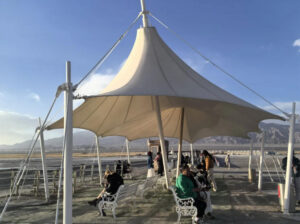
Tensile membrane structures offer a range of design styles, each suited to specific purposes and aesthetics. Among these, the Conical Design stands out as one of the most popular. Characterized by a pointed apex supported by tensioned fabric and a central mast, conical structures are ideal for canopies and shading solutions. Their striking yet functional appearance makes them perfect for parks, stadiums, and event spaces, providing both shelter and visual impact.

Another prominent style is the Hypar Design, or hyperbolic paraboloid, which features dynamic, flowing shapes formed by twisting the fabric. This modern design is favored for open spaces like plazas and recreational areas. Its distinct geometric curves create a sense of movement and sophistication, while the structural efficiency ensures durability and strength, even in extreme weather conditions.

For walkways, entryways, and commercial areas, the Barrel Vault Design is a practical yet elegant choice. This style uses a curved or semi-cylindrical shape to create a continuous canopy. Its simplicity makes it versatile, fitting seamlessly into various architectural contexts while providing effective coverage for pedestrian pathways, shopping arcades, and parking areas.
Die Suspended or Draped Design offers a minimalist and lightweight alternative. With its fabric gently hanging from support structures, this style creates a soft, flowing aesthetic. Ideal for temporary installations or smaller spaces, it brings a touch of elegance and innovation to exhibitions, outdoor cafes, or intimate event spaces.
Each design style brings unique advantages, allowing tensile membranes to serve both functional and aesthetic purposes. From the sleek conical forms to the dynamic hypar shapes, these styles demonstrate how tensile architecture combines creativity and engineering to transform spaces into visually stunning and highly practical environments.
Material Influence on Tensile Membrane Style
The material choice for tensile membrane structures significantly impacts their style, functionality, and overall architectural appeal. Among the most commonly used materials is PVC (Polyvinyl Chloride), known for its versatility and cost-effectiveness. PVC membranes are lightweight, flexible, and easy to install, making them ideal for a variety of applications, from temporary shelters to permanent canopies. The material can be coated for UV resistance and enhanced durability, offering a practical solution for projects requiring affordability without compromising style.
For projects demanding high durability and iconic appeal, PTFE (Polytetrafluorethylen) is the material of choice. PTFE-coated fiberglass membranes are exceptionally strong and resistant to harsh weather, UV radiation, and fire. Its smooth surface helps repel dirt and maintain a clean, pristine look over time. PTFE membranes are often used in large-scale and iconic architectural projects, such as stadiums and airports, where durability and aesthetics are paramount. The material’s ability to create expansive and visually striking designs adds to its popularity.
When transparency and lightweight properties are desired, ETFE (Ethylene Tetrafluoroethylene) stands out. ETFE films are incredibly light yet durable, providing high transparency for natural light penetration. This makes them ideal for greenhouses, atriums, and futuristic architectural designs. Their unique ability to create visually dramatic and energy-efficient spaces is often showcased in modern projects like domes and sports facilities.
Each material not only defines the durability and maintenance needs of the structure but also shapes its visual and functional identity. Whether prioritizing cost, strength, or transparency, the choice of PVC, PTFE, or ETFE influences how tensile membrane structures transform spaces into architectural masterpieces.
Customization and Branding
Tensile membrane structures offer a unique opportunity for customization, allowing businesses and organizations to incorporate their brand identity into architectural design. Adding logos, corporate colors, or custom patterns to the membrane surface ensures the structure aligns seamlessly with a brand’s visual identity. This not only enhances the aesthetic appeal but also transforms the structure into a functional advertisement, making it a powerful marketing tool in public spaces like airports, malls, or sports arenas.
Customization extends beyond visual elements to include cultural or thematic alignment. For instance, in Middle Eastern countries, where Islamic culture is prevalent, tensile membranes often reflect traditional geometric patterns or designs inspired by Islamic architecture. These culturally resonant features ensure that the structures blend harmoniously with their surroundings, enhancing their acceptability and significance in local communities.
Designers can also tailor the shape and style of the membrane to suit specific purposes or themes. For example, a canopy for a nature park might feature leaf-inspired patterns or organic curves, while a shopping mall might opt for sleek, futuristic lines. Such thematic alignment ensures that the structure serves not only as a functional shelter but also as an artistic statement.
By combining branding elements with cultural sensitivity and tailored design, tensile membrane structures can go beyond practicality to create iconic and memorable spaces that resonate with their audience. This versatility makes them a preferred choice for organizations looking to make a lasting impression.
Popular Applications by Style
Tensile membrane structures are not only versatile but also uniquely suited for specific applications based on their design styles. Conical designs, for instance, are a favorite choice for sports arenas and stadiums. Their iconic shape provides excellent water drainage and maximizes shade, ensuring comfort for spectators. These structures enhance the overall experience by offering unobstructed views and a visually striking canopy that becomes an integral part of the venue’s identity.
Hypar (Hyperbolic Paraboloid) designs are particularly popular in parks and public spaces. Their modern, dynamic shapes blend seamlessly with natural surroundings, creating shaded areas that enhance outdoor experiences. These structures often serve as central focal points in parks, hosting activities such as community gatherings, picnics, and cultural events, while their aesthetic appeal complements the green environment.
Barrel vault designs are well-suited for commercial areas, such as shopping centers, walkways, and entryways. Their arched form is both functional and elegant, providing a spacious and welcoming atmosphere. These designs are ideal for protecting pedestrians from weather elements while maintaining an open and airy aesthetic. They also allow for ample natural light, reducing energy consumption in indoor spaces.
Each design style caters to specific needs, making tensile membranes a preferred solution for creating both functional and visually appealing spaces across a variety of settings.
Trends in Tensile Membrane Design
The field of tensile membrane design is evolving, reflecting a growing emphasis on sustainability and aesthetics. One notable trend is the integration of sustainable technologies. Modern tensile membranes increasingly incorporate eco-friendly materials such as recyclable PTFE and PVC, coupled with features like solar panels to generate renewable energy. This combination not only reduces environmental impact but also positions tensile structures as a forward-thinking solution for eco-conscious projects. Jieol, as a reliable tensile membrane structure solutions supplier, specializes in providing innovative and sustainable designs tailored to diverse needs.
Another trend is the blurring of lines between traditional and modern aesthetics. Designers are leveraging advanced technology to create structures that seamlessly combine classic functionality with contemporary flair. For example, tensile membranes are now being used to reinterpret traditional architectural forms, resulting in designs that honor cultural heritage while embracing cutting-edge construction techniques.
Additionally, adaptive and multifunctional structures are gaining popularity. These membranes are designed to transform or serve dual purposes, such as retractable roofing systems that adapt to changing weather or spaces that switch between public use and private events. This versatility enhances the overall value and functionality of the structures.
As these trends continue to shape the industry, Zugmembrankonstruktionen are cementing their place as a versatile, sustainable, and aesthetically pleasing architectural choice. For tailored solutions, Jieol ensures that every project meets the highest standards of design and innovation.



 German
  English
  Spanish
  French
  Russian
  Indonesian
  Thai
Thai  Arabic