
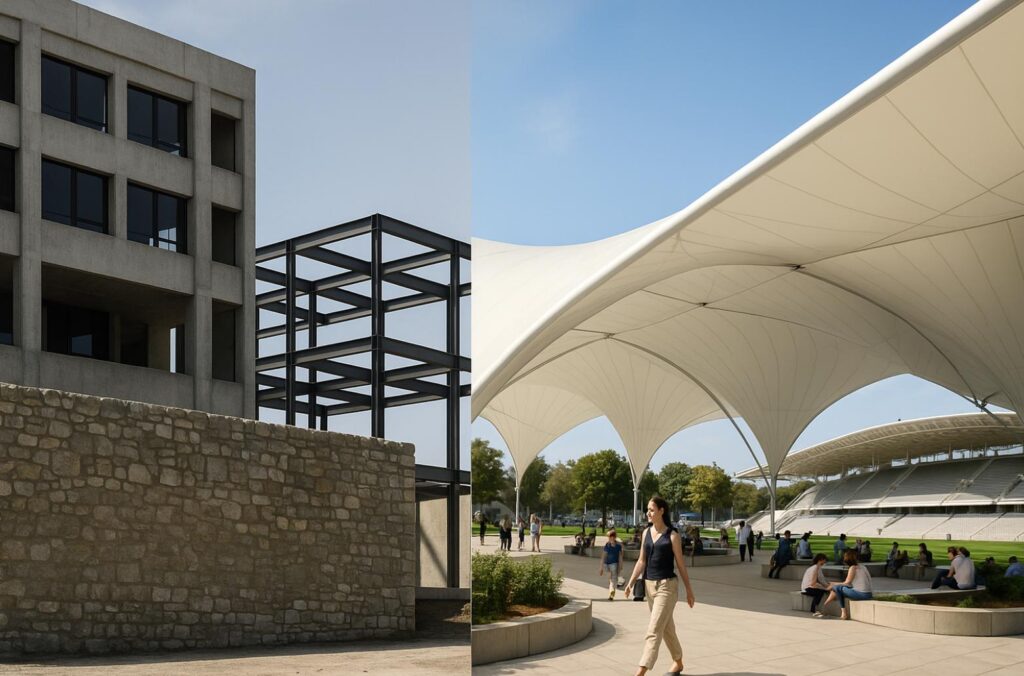
When we think of long-lasting structures, materials like concrete, stone, or steel usually come to mind. Permanent Canopy Structures, by contrast, may sound unfamiliar or even surprising—especially when they’re built using something as lightweight as tensile membrane fabric. But in reality, these modern structures are engineered to withstand extreme weather, span large areas without internal supports, and last for decades with minimal maintenance. From airports and stadiums to commercial plazas and swimming pools, permanent canopies are redefining how we think about durable architecture. In today’s article, we’ll explore what permanent canopy structures are, the benefits they offer, where they’re used in real life, and what you need to consider before building or choosing a canopy contractor.
What Are Permanent Canopy Structures?
Permanent canopy structures refer to durable, long-term architectural coverings designed to provide shade, shelter, or weather protection. Unlike temporary tents or portable awnings, these structures are built with high-performance materials and engineered for continuous use over many years—often with a lifespan exceeding a decade.
What sets them apart from temporary canopies is their structural integrity and permanence. From the outset, permanent canopy systems are designed to withstand strong winds, heavy rain, snow loads, and other environmental stresses. They are often considered part of a site’s permanent infrastructure and can be included in construction permits or architectural planning.
Common materials used in permanent canopy construction include steel frames, aluminum structures, tensile membrane Structure (such as PVC, PTFE, or ETFE), and polycarbonate panels. These materials offer a balance of strength, flexibility, and aesthetic value. Tensile membranes, for example, can span large areas with minimal support columns while maintaining a light and airy appearance. Polycarbonate roofing, on the other hand, provides excellent light transmission and UV protection.
Permanent canopy structures are widely used across various sectors. In commercial applications, they appear at shopping center entrances, pedestrian streets, and exhibition pavilions. Public spaces use them for parks, plazas, and transit stations. In the industrial field, they cover logistics yards, coal storage, and vehicle loading zones. Recreational and leisure facilities, such as swimming pools, outdoor theaters, and amusement park entrances, also benefit from their protection and architectural enhancement.
As cities adopt more sustainable and climate-resilient design practices, permanent canopy structures are becoming a favored solution that blends function with form. They not only improve user comfort but also elevate the visual identity of urban and industrial environments.
Advantages of Permanent Canopy Structures
Compared to traditional temporary covers, permanent canopy structures offer a wide range of advantages, making them an increasingly preferred solution for commercial, industrial, and public spaces.
First and foremost, these structures are known for their long-term durability and resistance to harsh weather conditions. Whether exposed to intense sun, heavy rainfall, or strong winds, properly engineered canopies maintain structural stability and ensure safety for both users and equipment underneath.
Aesthetically, permanent canopies significantly enhance the appearance of a space and increase property value. Their sleek, curved designs blend well with modern architecture, often becoming a visual landmark that adds identity and appeal to commercial or public environments.
From a maintenance standpoint, these structures use high-strength, corrosion-resistant materials such as PVDF-coated membrane fabrics, aluminum alloy frames, and galvanized steel. As a result, they require minimal upkeep and can last 15 years or more, outperforming traditional metal roofs or fabric shades.
Another key advantage is their design flexibility. Permanent canopies can be fully customized to cover large, column-free spaces, making them ideal for swimming pools, warehouses, stadiums, plazas, and more. This openness improves usability and creates a more comfortable environment for users.
Moreover, these structures contribute to energy efficiency and environmental sustainability. With proper design, they provide natural shading, reduce heat buildup, and allow controlled daylight penetration—helping to cut down on cooling and lighting costs.
For example, Jieol successfully delivered a large-span tensile canopy for a stadium project in Indonesia. The client requested a custom solution that balanced function, aesthetics, and budget. The result was a visually striking membrane structure that not only met all performance needs but also reduced overall construction costs by nearly 30%—a clear demonstration of how permanent canopies can deliver both design value and economic efficiency.
Real-World Applications Across Industries
Building on the durability, design flexibility, and energy-saving benefits discussed in the previous section, permanent canopy structures have become indispensable in a wide array of sectors. Their ability to deliver large, column-free spans while complementing diverse architectural styles makes them a practical—and often iconic—solution wherever weather protection and visual impact are equally important.
Transportation hubs were early adopters. At airport curbside drop-offs, bus terminals, and rail stations, membrane or polycarbonate canopies shield passengers from sun and rain, improve way-finding, and create a unified visual language for complex transit networks. The result is a safer, more comfortable waiting environment that elevates the overall travel experience.
In retail and commercial settings, such as mall entrances, open-air promenades, and outlet walkways, permanent canopies do more than provide shade. Their sculptural forms act as branding elements that draw foot traffic, encourage longer dwell times, and boost tenant sales—all while reducing heat gain and glare on storefront glazing. Check the Real Case Study: Tensile Structure in Nigeria Supermarket
Sports and leisure facilities rely on wide-span tensile roofs to cover swimming pools, stadium concourses, and public parks. The absence of interior columns maximizes sightlines and crowd flow, while translucent fabrics diffuse daylight, lowering energy costs for lighting and ventilation. These structures often become signature landmarks for municipalities and private clubs alike.
In industrial and logistics operations, canopy systems protect loading bays, coal storage structure, and warehouse aprons from weather-related downtime. By keeping work areas dry and shaded, they improve safety and throughput, cut material spoilage, and reduce maintenance on handling equipment. The positive environmental impact—less dust, runoff, and heat—is an added bonus.
Finally, the hospitality and tourism sector capitalizes on canopies to enhance guest experience. Resorts use graceful membrane roofs over pool decks, rooftop lounges, or event spaces to deliver resort-style comfort without sacrificing views. Meanwhile, hotels and convention centers deploy waterproof pergolas or aluminum-frame structures to create year-round outdoor dining and exhibition zones.
These proven, real-world deployments underscore how permanent canopy structures marry functional resilience with architectural elegance—turning practical coverings into valuable, revenue-generating assets across industries.
Key Considerations When Building a Permanent Canopy
Constructing a permanent canopy structure is a long-term investment that requires thoughtful planning beyond aesthetics. Several technical and regulatory factors must be taken into account to ensure safety, compliance, and performance.
Site conditions are among the most critical. Climate zones greatly impact design decisions. For instance, a canopy built in a tropical region must withstand high humidity, intense UV exposure, and strong winds from seasonal storms or typhoons. In contrast, temperate climates may require designs that account for snow loads, freeze-thaw cycles, or seismic activity. Engineers must adapt structural specifications accordingly, including frame anchoring and membrane tensioning.
Permitting and local building codes should be researched early. Many jurisdictions require wind load certification, fire safety ratings, and pre-approved drawings—especially for commercial or public-use spaces. Delays or non-compliance can lead to costly project setbacks.
Drainage and foundation design are also essential. Permanent canopies must integrate proper water runoff systems to avoid pooling or roof collapse. Meanwhile, foundation engineering must match soil conditions and ensure structural stability.
Material performance should be evaluated for lifespan, fire resistance, and ease of maintenance. High-quality PVDF membranes or coated aluminum may have higher upfront costs but offer better long-term durability and lower upkeep.
Finally, always consider budget versus lifecycle value. While cheaper solutions may save costs initially, permanent structures should be measured by their overall value over 10–20 years of use—factoring in energy savings, durability, and reduced maintenance needs.
How to Choose the Right Permanent Canopy Structure Company
Selecting the right partner for your permanent canopy project is just as important as the design itself. A qualified and experienced company ensures structural safety, visual quality, and long-term performance. Here are five key criteria to consider:
First, look for a company with proven project experience. Have they completed similar structures in your region or climate? Do they hold relevant engineering certifications and licenses? A solid track record is your best indicator of technical expertise and reliability.
Second, evaluate their design capabilities. Some firms offer only off-the-shelf modular solutions, while others—like Jieol—specialize in fully custom tensile structures tailored to site conditions, branding, and function. Ask if 3D renderings or structural simulations are available during planning.
Next, review their material sourcing and fabrication standards. Top-tier companies work with high-quality membranes (e.g., PVDF, PTFE), galvanized or stainless steel, and comply with international codes. On-site precision and factory-controlled fabrication ensure performance and aesthetics.
Don’t forget to review case studies and client testimonials. Real-world examples and feedback help validate claims and showcase the company’s problem-solving capabilities.
Finally, consider their after-sales service and warranty terms. A reliable canopy provider should offer routine inspections, membrane replacement plans, and clear warranties on structure and materials.
To help clients choose confidently, we’ve curated dedicated lists of recommended tensile structure companies in key markets like Indonesia, the Philippines, Malaysia, and a global directory. These resources ensure you find the right fit based on local expertise and international quality.


 English