
When it comes to the Philippines, I’ve visited many times—and each trip reminds me just how beautiful and diverse this country truly is. From tropical resorts to vibrant cityscapes, the demand for innovative architectural design is growing rapidly. At Jieol, we’ve been involved in several tensile membrane structure projects across the Philippines, helping local developers bring their ideas to life. If you’re considering building a tensile structure—whether it’s a canopy, walkway cover, or grandstand roof—you’ve come to the right place. In this article, I’ll introduce you to some of the top tensile structure solution providers in the Philippines and share how to choose the best-fit partner and materials for your project. Let’s explore together.
Overview of the Philippine Tensile Structure Market
The tensile structure market in the Philippines has seen steady growth over the past few years, with an average annual increase of around 7% in market share, driven by rising demand across commercial, recreational, and public infrastructure sectors. As more developers seek elegant and functional shading solutions, tensile membrane structures have become a go-to option due to their durability, aesthetics, and design flexibility.
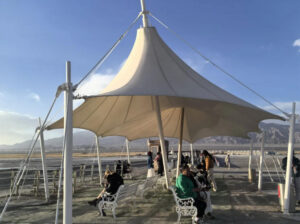
In the Philippines, tensile structures are widely used in shopping malls, stadiums, transport terminals, airports, canopies, covered walkways, parking areas, and atriums. These applications not only serve practical purposes—such as providing sun and rain protection—but also enhance the architectural identity of public spaces.
Due to the tropical climate—characterized by heavy rainfall, high humidity, and intense sunlight—material selection and structural design are especially critical. As noted in this guide on tropical tensile architecture, factors like UV resistance, waterproof coating, heat reflectivity, and corrosion-resistant frames are essential considerations.
Additionally, the popularity of high-end designs such as cone, hypar, and barrel vault forms—as highlighted in this design showcase—is reshaping the expectations for what tensile fabric structures can achieve in tropical regions. Altogether, the Philippine market is evolving quickly, with increasing interest in both performance and style.
Criteria for Selecting a Reliable Manufacturer in the Philippines
When choosing a tensile structure manufacturer in the Philippines, the most critical factor is your ability to understand the specifications of tensile membrane structures. From material selection to wind resistance, every detail matters. For a deep dive into these specs, refer to this comprehensive guide on tensile structure specifications.
Since the Philippines lies in a tropical and subtropical monsoon region and experiences frequent typhoons, selecting a partner with proven experience in high-wind structural design is crucial. A reliable manufacturer should demonstrate a portfolio of projects built to withstand wind speeds of 100–120 km/h, with proper anchoring and flexible membrane tension systems.
Next, verify whether the manufacturer uses certified materials, such as PVC, PVDF, or PTFE membranes that comply with international standards like ISO9001 and SGS. Not sure how to compare these materials? This material comparison article clearly outlines the differences and ideal applications for each.
Strong design capabilities are another must—look for a team that can offer a wide range of custom shapes (e.g., conical, dome, or barrel vaults) and advanced surface treatments to suit different environments.
Finally, assess whether the company uses locally sourced membranes or imports them from global brands like Ferrari or Mehler. While imported membranes offer higher durability and aesthetic quality, local supply may reduce costs and lead times. A good manufacturer will explain these trade-offs transparently and guide you based on your project’s needs.
Top 5 Tensile Structure Suppliers in the Philippines
Jieol Building Ltd
Tensitech Corporation
| ฟิลด์ | รายละเอียด |
|---|---|
| ชื่อบริษัท | Tensitech Corporation |
| บทนำ | A trusted leader in the industry specializing in aesthetic and structural tensile fabric architecture. |
| ช่วงผลิตภัณฑ์ | Tensile fabric structures, architectural shade systems |
| สถานที่ | Philippines |
| เว็บไซต์ | tensitech.ph |
| ติดต่อ |  |
Rize Innovations, Inc.
| ฟิลด์ | รายละเอียด |
|---|---|
| ชื่อบริษัท | Rize Innovations, Inc. |
| บทนำ | Over 12 years of expertise in architectural and recreational tensile structures in the Philippines. |
| ช่วงผลิตภัณฑ์ | Tensile fabric, recreational tents, architectural fabric structures |
| สถานที่ | Philippines |
| เว็บไซต์ | rizeinnovations.com.ph |
| ติดต่อ | |
Fabric8 Membrane Services
| ฟิลด์ | รายละเอียด |
|---|---|
| ชื่อบริษัท | Fabric8 Membrane Services |
| บทนำ | Offers all-in-one fabrication for a variety of tensioned fabric applications in the Philippines. |
| ช่วงผลิตภัณฑ์ | Tensile architecture, tension fabric structures, PVC umbrellas, truck curtains, aid tents |
| สถานที่ | Philippines |
| เว็บไซต์ | fabric8membraneservices.com |
| ติดต่อ | |
Fabrimetrics Philippines Inc.
| ฟิลด์ | รายละเอียด |
|---|---|
| ชื่อบริษัท | Fabrimetrics Philippines Inc. |
| บทนำ | Over 25 years of experience providing innovative tensioned membrane structures and technical fabric solutions. |
| ช่วงผลิตภัณฑ์ | Polycanvas™ structures, tents, dump-site liners, stockpile covers, man-made lakes |
| สถานที่ | Philippines |
| เว็บไซต์ | fabphils.com |
| ติดต่อ | |
How Much Should You Pay for a Tensile Membrane Structure in the Philippines?
The cost of building a tensile membrane structure in the Philippines varies based on the material used, design complexity, and installation environment. On average, the pricing is as follows:
| Material | Cost Range (PHP per sq.m) |
|---|---|
| PVC | ₱11,600 – ₱29,000 |
| พีทีเอฟอี1 | ₱23,200 – ₱58,000 |
PVC is the most commonly used material due to its affordability and flexibility, making it ideal for car park shades, walkways, or mall canopies. For premium, long-lasting applications—such as stadium roofs or large public spaces—PTFE is often preferred, though it comes at a higher cost.
In conclusion, you can expect to invest ₱11,600 to ₱58,000 per square meter for a tensile membrane structure in the Philippines. Always request a full quote based on your project’s specific design, structural requirements, and engineering standards. It’s also wise to compare both local and international suppliers for the best value and service.
Check this article about <โครงสร้างผ้าตึงมีราคาเท่าไหร่?>
Local Projects and Use Cases In Philippines
The Philippines has witnessed a surge in the application of tensile membrane structures across commercial and public spaces. From transportation terminals to high-traffic shopping centers, local manufacturers have played a key role in transforming how tensile fabric architecture is used in the country.
One of the most iconic examples is the installation of tensile canopies at the SM Mall of Asia, one of the largest malls in Southeast Asia. Here, tensile structures provide large-span coverage for open walkways and drop-off areas, offering both shelter and architectural elegance. Similarly, several airport terminals and ferry stations across the Visayas and Mindanao regions have adopted tensile roofs to deliver weather protection while maintaining airflow and light permeability—an ideal solution for the country’s tropical climate.
In addition, public parks and government buildings have begun incorporating tensioned fabric structures for amphitheaters, covered playgrounds, and atriums. These installations not only provide functionality but also enhance the aesthetic appeal of public spaces.
At Jieol, we are proud to have contributed to a project in Boracay Island, one of the Philippines’ most famous travel destinations. The project featured a custom-designed canopy that blended seamlessly with the natural surroundings while offering protection from sun and rain—perfectly demonstrating the balance between visual impact and public utility.

As more developers and municipalities recognize the benefits of tensile structures, we expect continued growth in both private and public applications throughout the Philippines.
International Suppliers Serving the Philippines
In addition to local providers, several international brands have become key players in the Philippine tensile structure market. Companies like จีออล from China and renowned membrane manufacturers such as Ferrari (France) และ Mehler (Germany) frequently export high-quality materials and complete structure solutions to the Philippines.
Chinese manufacturers like Jieol are especially prominent due to their ความคุ้มค่า, flexible customization, และ strong supply chain capabilities. With advanced in-house engineering and large-scale production, Jieol offers competitive pricing without compromising on quality—making it an attractive option for developers looking to balance budget and durability.
Working with international suppliers offers access to premium membranes, advanced design technology, and a broader range of materials like PTFE, PVDF, and ETFE. However, challenges may include longer lead times, higher shipping costs, และ limited on-site technical support, especially when compared to local firms.
On the other hand, local contractors are familiar with Philippine building codes, tropical climate constraints, and can provide faster response times for installation or maintenance.
Ultimately, combining global-grade materials from overseas with the site expertise of a local builder can often lead to the best results—ensuring both performance and peace of mind for large-scale tensile projects in the Philippines.
ข้อคิดสุดท้าย
Selecting the right tensile structure partner in the Philippines—or beyond—is a strategic decision that impacts your project’s cost, appearance, and longevity. It’s essential to weigh budget, material quality, timeline, และ after-sales support when evaluating manufacturers or contractors.
Start by clearly defining your project needs: Will your structure face strong winds, heavy rainfall, or prolonged sun exposure? Then, ask your shortlisted suppliers for detailed technical specifications, material certifications, และ references from past projects—especially those in tropical climates.
To help you navigate the decision-making process, we’ve prepared a few expert guides:
- วิธีเลือกโครงสร้างดึงที่เหมาะสมสำหรับสถาปัตยกรรมในเขตอากาศร้อน
- 5 Popular High-End Tension Fabric Structures
- คู่มือการบำรุงรักษาอย่างละเอียดสำหรับโครงสร้างเมมเบรนแรงดึง
- PTFE vs. PVDF: Key Differences in Tensile Fabric
Choosing a reliable partner ensures smooth project execution and long-term performance. Whether you’re working with local experts or international suppliers like Jieol, informed decisions make all the difference.


 Thai
Thai  English
  Spanish
  French
  Russian
  Indonesian
  Arabic
  German